In recent years, with increasing public concern about environmental issues and the rise of resource nationalism, metal recycling has become increasingly important. Copper is a common material in daily life. However, the ratio of copper reserves to production is estimated to last only 40 years. Therefore, copper is a worrying natural resource with a significant risk of depletion. Furthermore, the quality of copper concentrate extracted from copper mines has been declining in recent years, further burdening the mining and smelting processes.
A copper electrolytic cell is an advanced metal refining device widely used to extract high-purity copper from raw copper, scrap copper, and electronic waste. Its core principle involves the electrolytic migration of copper ions from the anode to the cathode, where they deposit to form copper plates with a purity of up to 99.99%. This process efficiently removes impurities and recovers copper, meeting the high-quality requirements of industries such as power generation, cable manufacturing, and electronics.
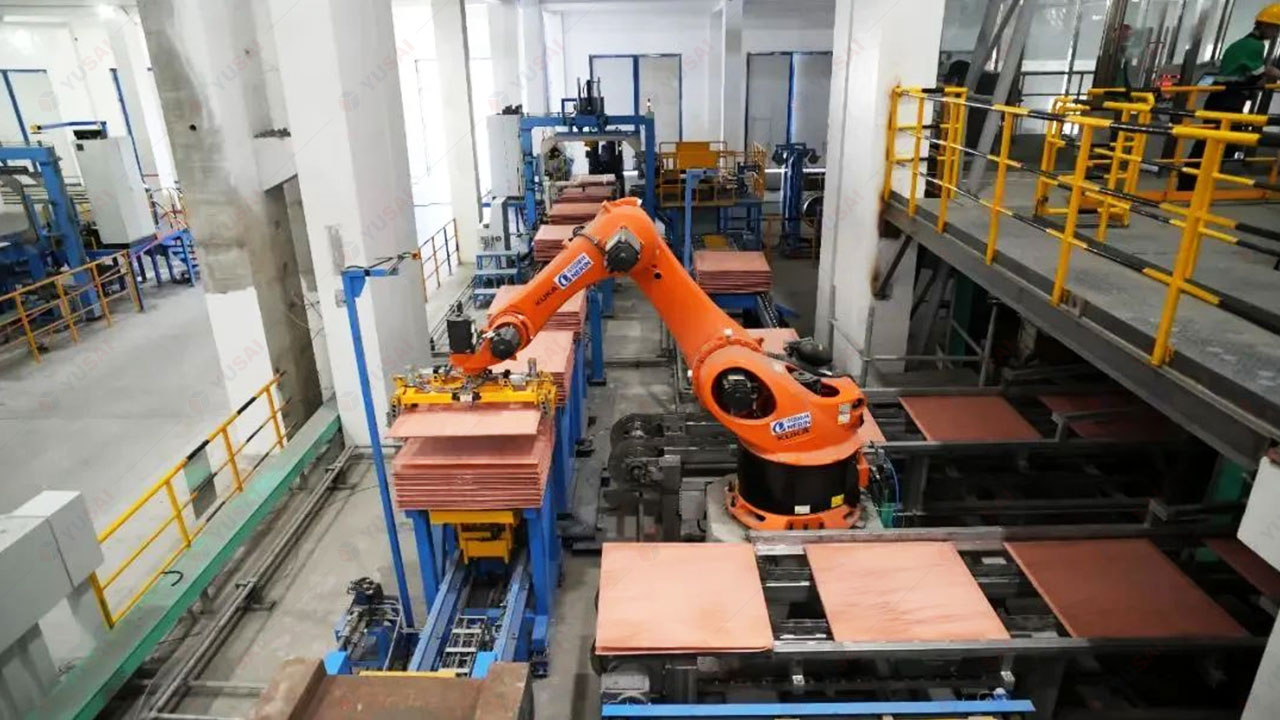
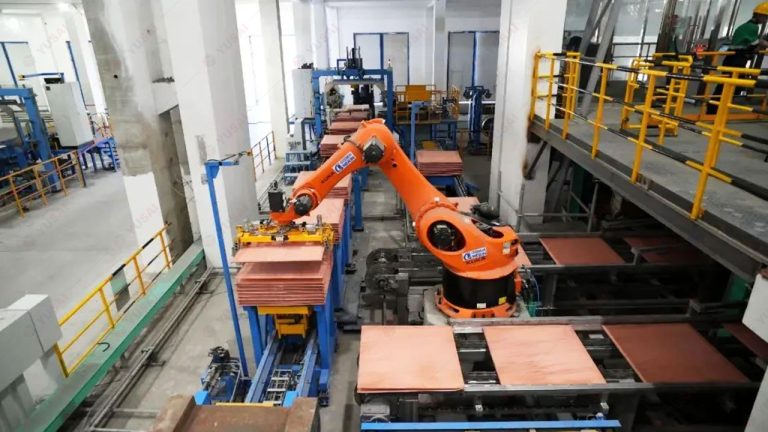
The operation of a copper electrolytic cell involves several key steps. First, raw copper or copper-containing scrap is processed into anode plates, while pure copper plates are suspended in the electrolytic cell as the cathode. The electrolyte typically contains sulfuric acid and copper sulfate. When an electric current is applied, copper atoms at the anode lose electrons to form copper ions. These ions migrate through the electrolyte, gain electrons at the cathode, and ultimately deposit to form pure copper. Insoluble impurities such as gold, silver, and platinum precipitate as anode slime, which can be further processed to recover precious metals.
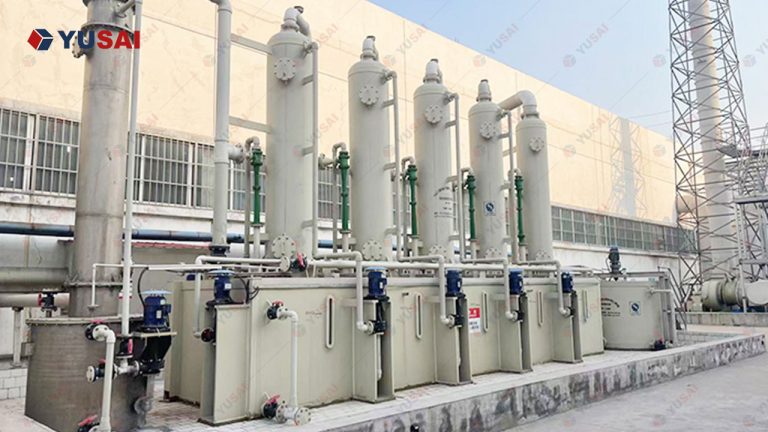
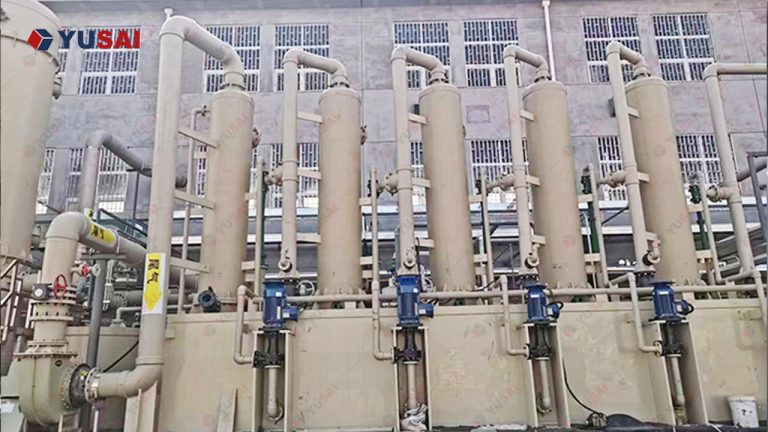
Modern copper electrolytic cells are designed for efficient, environmentally friendly, and intelligent operation. They typically employ titanium-based composite anodes and low-voltage cells to improve current efficiency and reduce energy consumption. Automated control systems monitor temperature, voltage, and electrolyte levels in real time to ensure stable operation. In addition, exhaust gas treatment and waste liquid recovery systems minimize environmental impact and support green production practices.
Copper electrolysis cells play a crucial role in resource recovery and environmental protection. They improve copper recovery rates, reduce reliance on natural ore, and minimize harmful emissions generated during traditional smelting processes. With continuous technological advancements, the importance of copper electrolysis cells for sustainable development and the circular economy is becoming increasingly evident.