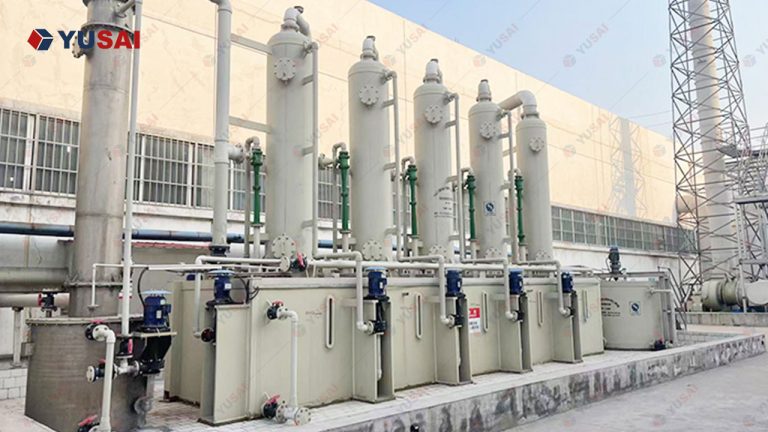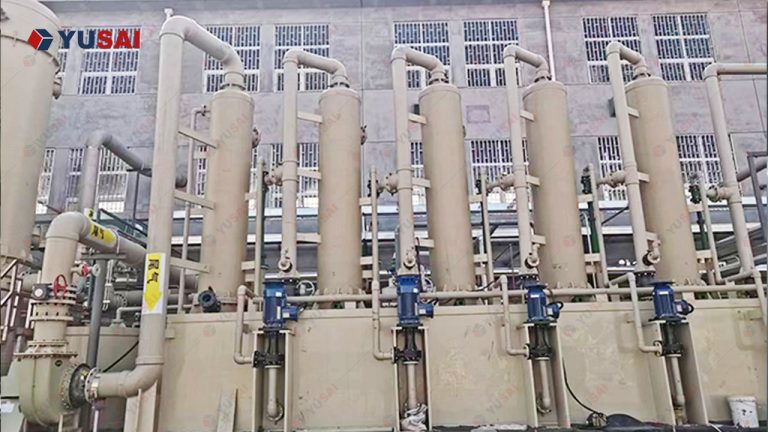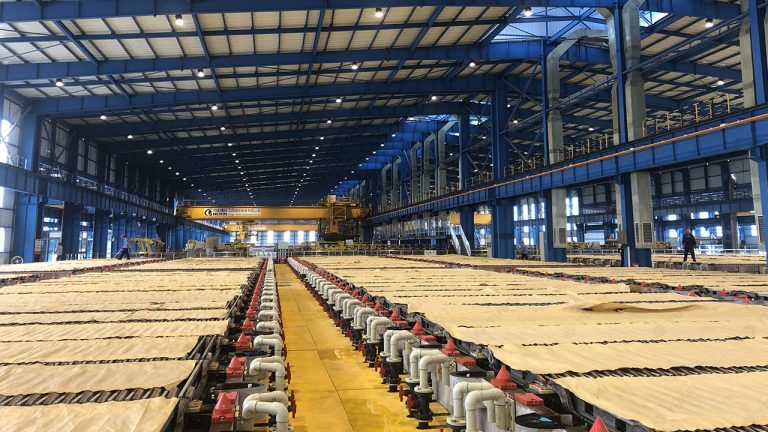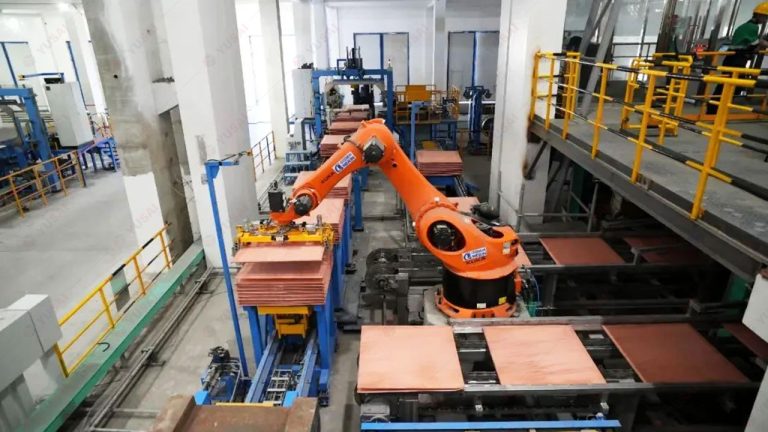
Copper electrolysis is a key technology in metal refining, electronic waste recycling, and copper recovery from industrial waste. It is widely used in the production of high-purity cathode copper, printed circuit board (PCB) manufacturing, and secondary resource recycling.
However, many businesses face common challenges.
Hidden costs in each electrolytic cell
In industrial copper electrolysis systems, the distance between the anode and cathode can be quite long. When current flows through the electrolyte, some energy is lost due to solution resistance.
This phenomenon is known as ohmic voltage drop (iR loss). While often difficult to measure directly, it significantly impacts the following:
Copper deposition rate
Cathode quality
Current efficiency
Energy consumption
Total operating costs
For recycling facilities handling copper-containing scrap, waste copper, and electronic waste, these efficiency losses directly impact profitability.
Why conventional monitoring is insufficient
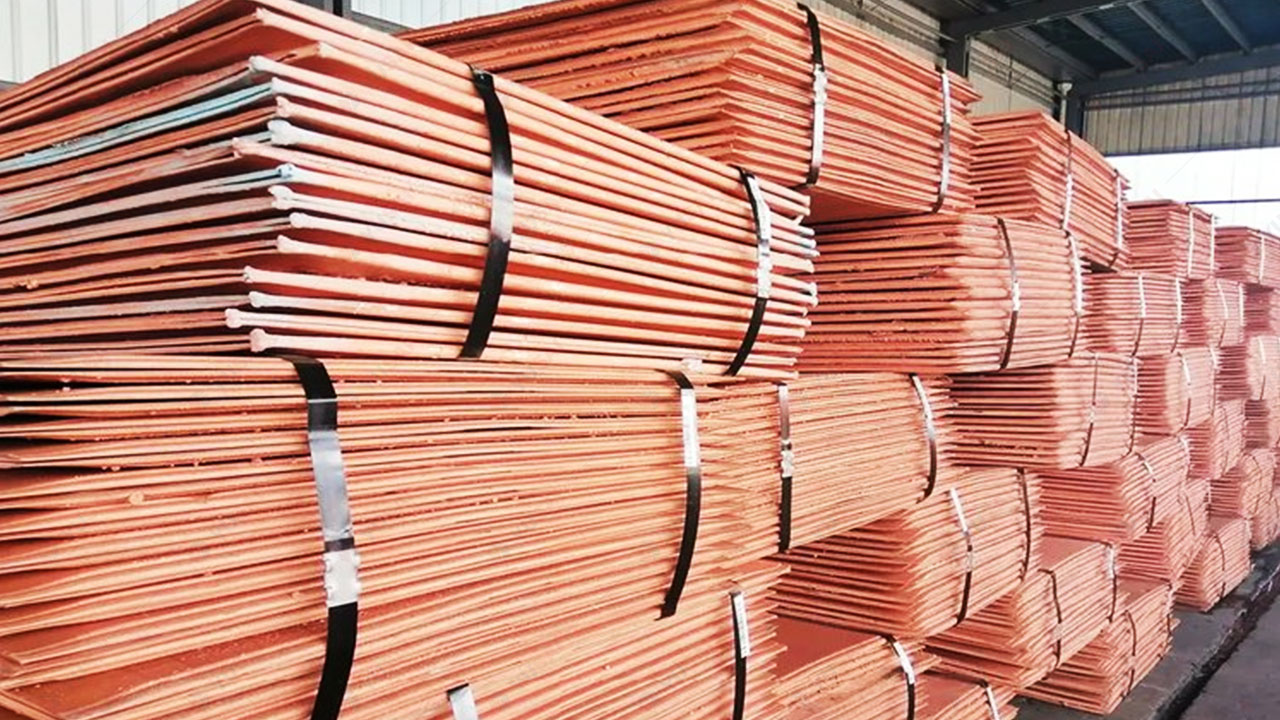
Most industrial electrolysis systems monitor only the following parameters:
Cell Voltage
Current
Electrolyte Temperature
While these parameters are useful, they cannot fully capture the electrochemical state actually occurring at the electrode surface.
As a result, operators may face the following problems:
Non-uniformity of copper deposition
Increased energy consumption
Decreased current efficiency
Difficulty in optimizing electrolyte composition
Unstable product quality
Results of this study
This study developed an advanced simulation method that can estimate the following items:
Electrode overpotential
Electrolyte resistance loss
Current distribution
Cell performance
This method requires only measurable operating data such as cell voltage.
A key finding is that electrolyte resistance significantly impacts copper electrolysis performance, especially in large-scale industrial cells.
Understanding and compensating for these losses allows operators to achieve more stable and efficient copper recovery.
Relationship between copper recovery and electronic waste treatment
In modern recycling operations, the composition of raw materials is becoming increasingly complex.
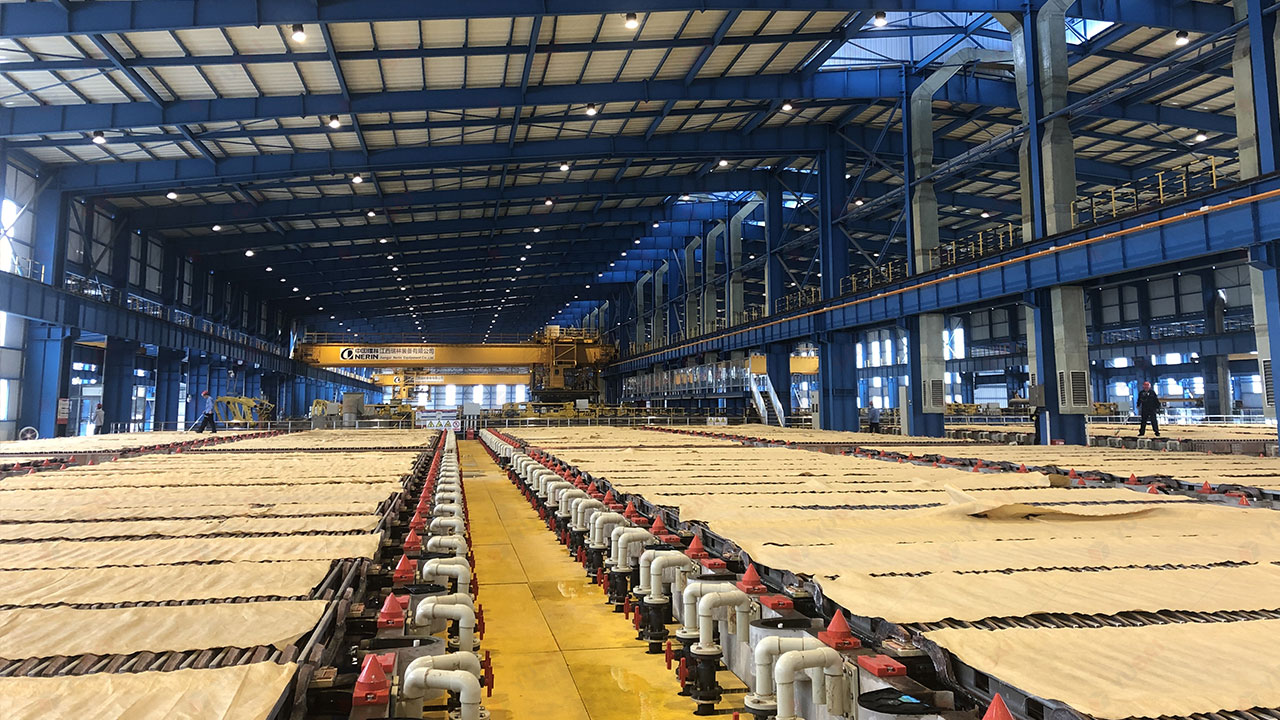
For example, the following raw materials are included:
Waste Printed Circuit Boards (PCBs)
Electronic Waste
Copper-Containing Industrial Sludge
Metallurgical Residues
Mixed Non-Ferrous Metal Scrap
These raw materials are prone to variations in electrolyte composition, increasing the difficulty of electrolysis control.
By gaining a deeper understanding of current distribution and voltage loss, operators can reap the following benefits:
✓ Improved copper recovery efficiency
✓ Reduced unnecessary energy consumption
✓ Stable maintenance of cathode quality
✓ Optimized electrolyte management
✓ Improved overall process profitability
Support for sustainable metal recycling
With increasingly stringent global environmental regulations, recycling companies face pressure to recover more metal while reducing energy consumption.
Advanced electrolysis design and process optimization contribute to:
Reduced carbon dioxide emissions
Reduced energy consumption
Improved metal recovery rates
Improved resource utilization efficiency
Achieving a more sustainable circular economy
For copper recycling plants and electronic waste recycling facilities, improving electrolysis efficiency is no longer just a technological upgrade, but a competitive advantage.
Future Outlook
Electrochemical modeling research continues to provide valuable insights for next-generation copper electrolysis systems.
Combined with intelligent control systems, optimized cell design, and automated monitoring, these technological developments will help recycling and refining companies achieve the following:
Improved production efficiency
Improved product quality
Reduced operating costs
Enhanced environmental compliance
As global demand for recycled copper continues to grow, advanced electrolysis technologies will play an increasingly important role in sustainable metal recycling and resource circulation.